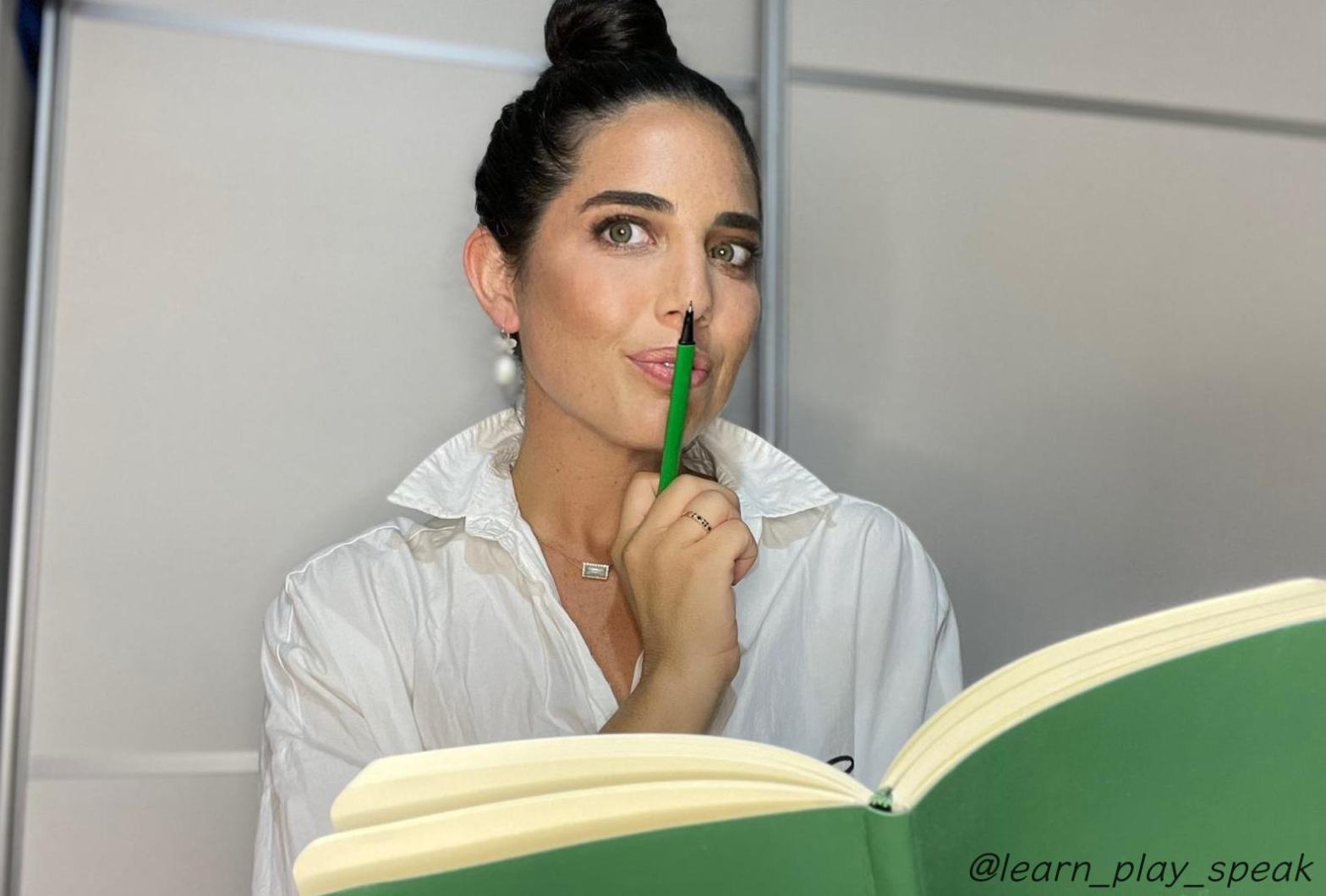
With the huge impact of COVID 19 on the education system, many parents are turning to one on one lessons and private tutoring in order to close the learning gaps. As a private tutor you are able to give a unique lesson to your student that can focus exactly on what they need in a way they can best learn it. In second language acquisition probably one of the most important factors is performance. That is the ability to actually speak the language. You know what they say… practice makes perfect and when you are learning alongside 34 other students in a class, you are not always given the opportunity to get this performance practice in.
That’s where we come in. For me, when I work with a new student I really have 3 objectives.
MAKE THEM LOVE IT.
Loving the language and the culture is half the battle. If it’s relatable and relevant then the learning becomes much more intuitive and effective.
MAKE THEM SPEAK IT
Speak speak speak! It is so important to nurture a relationship where you can work towards having an open dialogue in the language you are teaching. Having a good vocabulary is important, as is reading and writing… but if you don’t know how to put all of this knowledge together to communicate then what’s the point. The journey to speaking out loud, in front of a crowd or confidently holding a conversation can be an emotional one.
HELP THEM LEARN IT
Help them to make sense of it so that when they are in a larger group or class learning environment everything is just easier. That means finding creative ways to go over important structures and help cultivate an acute understanding of how the language actually works.
Don’t stress because here are my TOP 5 tips for achieving all of this!
1. Getting to know you

The first lesson can be a bit nerve-wracking on both ends. The most important thing is to create a good rapport. I always ask for the parent to write me a message with the student’s name (so when I keep forgetting on the way to the first meeting I can refer to the message rather than ask again….), the grade level and any particular interests.
In the first lesson I will come over prepared. I will try and bring at least one or two activities that are centred around their interests. Make sure you have a range of levels so you can give something appropriate. Too easy and you might bore them and too hard and your student may be left feeling less confident after the lesson… which is the opposite of what we want.
I also start only talking in English. I give my students as much exposure to the language as possible and then introduce the mother tongue as needed.
2. Structure

My background is in teaching dance and when you have a dance class it is really clearly set out. Warm up, technique, choreography and then play. I have brought this with me both into my classroom teaching and private tutoring.
Warm up – I usually start with greetings and a conversation. You can easily steer the conversation towards topics that are relevant to what you are working on. This is also a great time to do a quick verbal review game.
Technique – This is the bulk of the class. Here we are going to actually learn what it is we need to know. I may do this through an activity or a discussion and then a worksheet or even a relevant text depending on the level.
Choreography – This is where we are going to practice actually using the language. It can be verbal or written practice but I aim to guide the students into pulling out the language structure on their own in order to help it sink into their muscle memory.
Play – This is the time to have fun and explore. I usually do a game or a song here to just really have fun with what we’ve just learnt.
“We really want to have fun with what we’ve just learnt”
3. Follow a program (don’t reinvent the wheel)
When I first started group and private lessons I felt like I was putting so much effort into creating lesson ideas and plans instead of actually focusing on the teaching. Then I to working alongside a book. This really took the pressure off. Firstly it gave me a structure I could follow. Then I took ideas from he book and created activities around them to support the material. The book then stood as a great tool for practice and review. I felt more relaxed as a teacher and I know that my students felt more in control and aware of where the course was going. You still get to add your special sauce while keeping it nice and structured as well.
4. Always have something extra (games)

“Make sure you always keep a few tricks up your sleeve”
@learn_play_speak
You know what they say? Don’t work with animals or kids! That’s because they are completely unpredictable. There are so many variants out of our control that go into facilitating a lesson. Mood, weather sometimes some things just take quicker with one group than another. Either way make sure you always leave some tricks up your sleeve. I love carrying around some story cubes or an extra card game or two. This way I always have an extra something something if I need.
5. Two steps forward one step back (Paula Abdul style).
I mentioned before to follow a book. And moving forward at the right pace is important. But also is actually knowing the language. How did Paula put it? *I just take two steps forward and one step back* (that may or may not be correct). Anyway make sure you are consistently taking a step back for review. Be sure that they actually know what’s up. It’s o.k to repeat yourself, it’s not a fashion ball. Repetition here is key.
I hope these 5 tips help you walk confidently into that first private tutoring session! I still always get butterflies the first time I teach a new group or one on one, do you?
Let me know in the comments if you have any other great tips for first timers!
 Learn Play Speak